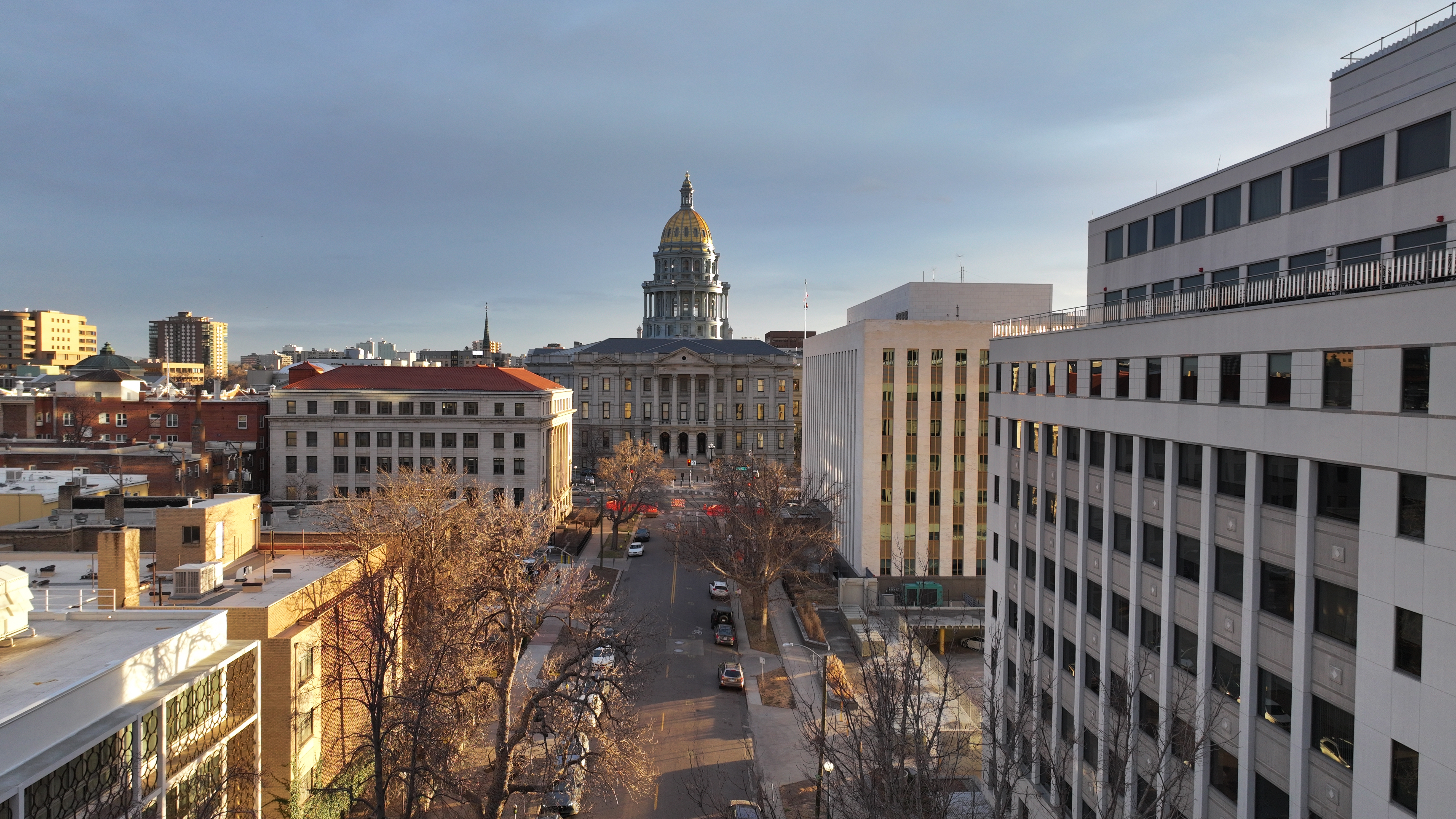
A proposal to more than double the validity period for approved site development plans in Denver has taken its first major step forward. The Denver Planning Board unanimously recommended approval of a text amendment that would extend SDP timelines from 30 months to 66 months, giving developers an additional three years to obtain building permits before their approvals expire.
The extension would apply to any SDP approved on or before December 31, 2025. City staff estimate roughly 22,600 units sit in the pipeline with SDP approval, including approximately 22,300 in pre-Expanding Housing Affordability (EHA) projects. The Planning Board's recommendation sends the proposal to the Community Planning and Housing Committee and then to City Council, where it faces additional hearings before it can take effect. Without the extension, many of those projects will simply never get built.
The Market Case
The city's presentation to the Planning Board laid out the problem in stark terms. Denver's housing permits surged to record levels in 2021 and 2022 as strong rent growth and low interest rates made financing new apartment projects easy. Many of those projects are now delivering into a very different market, and the wave of new supply is pushing rents down across the board.
From January 2025 to January 2026, Denver rents fell 7.2% overall, saving the average renter about $1,600 per year. The declines hit hardest at the lower end of the market: Class C apartments, the city's most affordable segment, saw rents drop 11.5%, from $1,735 to $1,562 per month. Class A rents fell 5.0% and Class B declined 5.6%.
That rent compression has created a notable inversion. According to CoStar data cited in the presentation, older market-rate Class C buildings in Denver, Austin, and Phoenix now rent for less than designated "affordable" units on average. In Denver, Class C rents have dropped below $1,300 while affordable unit averages sit closer to $1,400.
Nationally, the pipeline is drying up fast. Multifamily completions are down 21% from 2024, which itself was more than double the average annual completion rate since 1990. Estimated completions for 2025 sit around 506,000 units, a sharp drop from the recent peak.
The combination of elevated construction costs, high interest rates, and declining rents has left developers in a bind. Projects that penciled during the boom no longer work under current conditions, but the underlying approvals are sound. The city's argument is straightforward: give developers more time to secure financing rather than forcing them to restart a lengthy entitlement process from scratch.
What's at Stake
The city's presentation framed the consequences of inaction clearly. Without the extension, Denver risks losing thousands of residential units from its supply pipeline. When the market eventually turns and demand outpaces supply again, rents will spike. The SDP extension is an attempt to keep those shovel-ready projects in play so they can deliver units when conditions improve, rather than creating a gap that leads to another affordability crunch.
Projects in the Crosshairs
The types of projects affected by this proposal are not small infill plays. They include some of the most significant developments in Denver's pipeline.
650 17th Street
Perhaps the most striking example is 650 17th Street. Owned by Harbinger Partners 650 17th LLC, the project's Formal Site Development Plan for a 44-story, 339-unit mixed-use high rise with ground-level amenity space and structured parking was approved on September 1, 2022.
Under the current 30-month window, that SDP expired on March 1, 2025. Permit records show the last activity on the project was a fire review filed on March 10, 2025, right at expiration. After that, nothing. Under the proposed extension, the SDP would be valid through March 1, 2028, allowing Harbinger to pick the project back up where they left off.
The Greyhound Redevelopment - 1955 Curtis Street
The Greyhound Redevelopment at 1955 Curtis Street, owned by GORO 1055 LLC, was approved in 2022 and calls for a 400-foot residential tower, a 400-foot office tower, structured parking, ground-level retail, and an outdoor plaza on a single zone lot.
The project sits on the former Greyhound bus terminal site and represents one of the more ambitious mixed-use proposals in downtown Denver's pipeline. Under current rules, its SDP has already expired or is on the brink. The extension would bring it back into play through 2028, preserving what would be a transformative project for the Curtis Street corridor.
2215 California Street
At 2215 California Street in Arapahoe Square, a 25-story, 659-unit project with three levels of podium and four stories of below-grade parking received its Formal SDP approval on June 19, 2023. Owned by 2215-2243 California Street LLC, it is one of the larger residential projects in the pipeline.
Permit records show the project moved through demolition, transportation, and storm and sanitary approvals through late 2023, but no building permits have been pulled. The most recent filing is a zoning permit from December 2024, still in progress. Under the current 30-month window, the SDP expired on December 19, 2025, right at the cutoff date for the proposed extension. The 66-month timeline would extend it through December 19, 2028, giving the developer three additional years to move the project forward.
1680 Pennsylvania Street
A smaller but notable project at 1680 Pennsylvania Street, owned by 1700 Penn LLC, would infill an existing surface parking lot with a 7-story, 124-unit apartment building and approximately 7,000 square feet of ground-floor retail.
The Formal SDP was approved on July 6, 2023. Permit records show a concept plan filed in June 2022, the SDP approval in July 2023, and an urban design approval in December 2023. After that, nothing. No transportation plan, no storm and sanitary, no building permits. The project secured its entitlements and stopped. Under the current 30-month window, the SDP expires on January 6, 2026, just days past the December 31, 2025 cutoff for the proposed extension. The 66-month timeline would extend it through January 6, 2029.
These four projects alone account for over 1,100 residential units. Multiply that pattern across 156 active SDPs citywide and the stakes come into focus quickly.
What Counts as an SDP?
A site development plan is the detailed, approved blueprint for a development project. It locks in building placement, height, density, and access. Once an SDP expires, a developer has to go back through the full approval process, potentially under updated zoning rules or building codes, adding significant time and cost.
City staff clarified during the hearing that minor modifications to an existing SDP would not reset or affect its validity period. Major changes, however, would require a new amendment and could restart the clock.
Building Code Concerns
Board members raised questions about the interaction between extended SDP timelines and building code updates. If codes change significantly during the extended window, developers could face costly redesigns even with a valid SDP in hand. One board member floated the idea of pausing or timing code updates to avoid forcing redesigns on entitled projects, though staff noted the building code environment is currently stable.
The board also flagged a broader structural question: whether SDP timeline controls should live in the zoning code at all, or whether an administrative mechanism would give the city more flexibility to adjust validity periods without requiring a formal text amendment each time.
Legislative Timeline
The amendment is on a defined path through city government:
February 20: Text Amendment Courtesy Public Review (complete)
March 18: Planning Board Public Hearing (complete, unanimously recommended)
March 24: Community Planning and Housing Committee
April 6: City Council First Reading*
May 4: City Council Public Hearing*
*Anticipated dates, subject to change.
The Bigger Picture
Denver is not unique in grappling with a post-boom construction slowdown, but the scale of its entitled-but-unbuilt pipeline is notable. The 22,600 units sitting in SDP limbo represent years of planning, design, and regulatory review. Letting them lapse because of a timing mismatch between entitlement windows and market cycles would be a self-inflicted wound for a city that has spent the better part of a decade trying to build its way toward housing affordability.
The extension does not create new housing. It keeps the door open for housing that has already cleared every regulatory hurdle except a shovel in the ground.