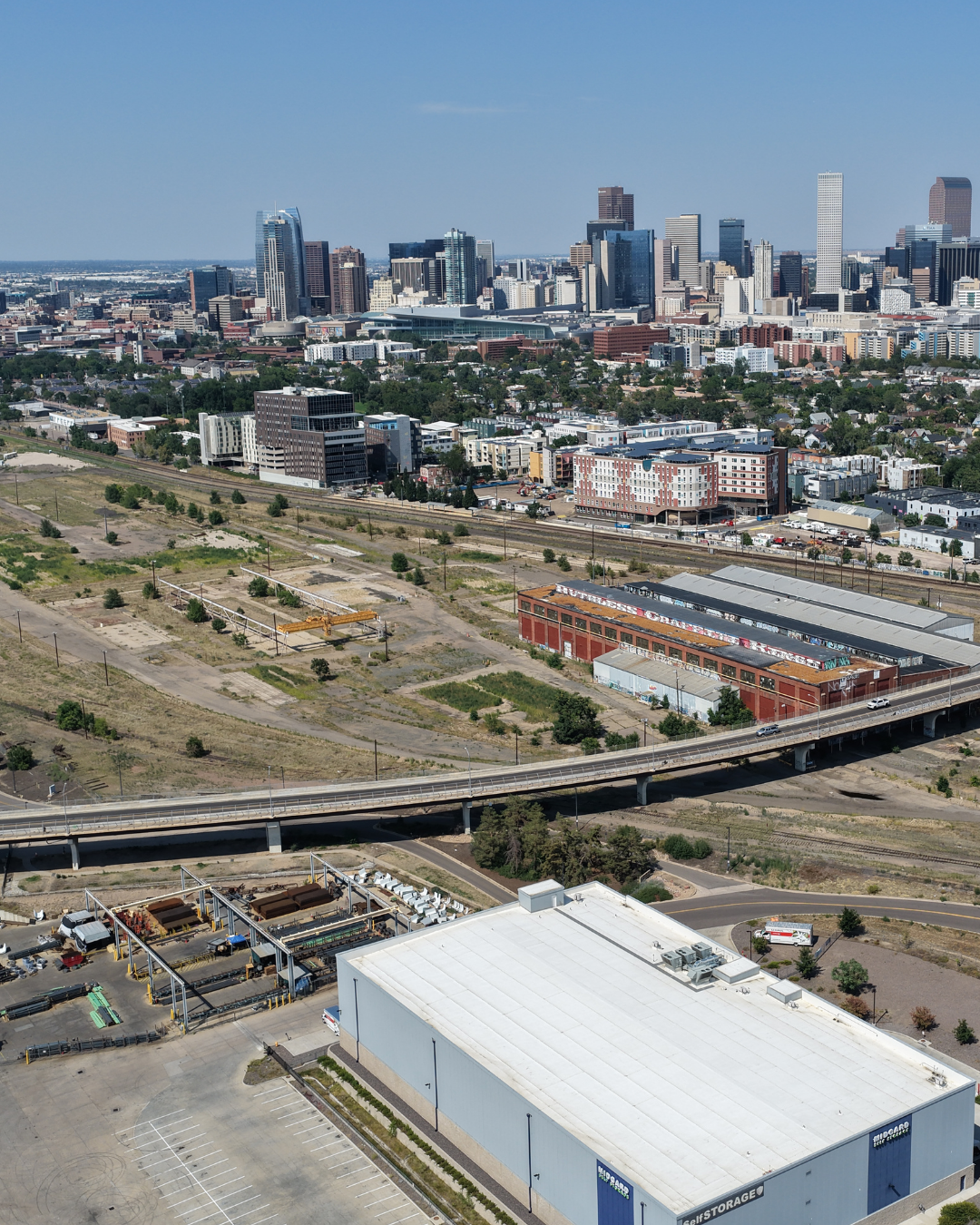
The Denver Broncos have selected the architectural teams that will shape both their proposed new stadium and the surrounding mixed-use district at Burnham Yard, according to reporting from The Denver Post.
Kansas City-based Manica Architecture will lead the design of the retractable-roof stadium, while Denver-based Tryba Architects will oversee the master plan and design of the broader stadium-anchored entertainment district. The firms were selected earlier this year but were publicly identified Saturday, as first reported by The Post.
Manica may feel like an obvious choice. The number of architectural firms trusted to design a multibillion-dollar NFL stadium is extremely limited, with Manica, Populous, HKS and HOK regularly competing for the industry’s largest assignments.
The Broncos’ selection places Manica alongside several of the most prominent stadium and arena projects currently underway in the country. The firm is designing the Kansas City Chiefs’ proposed new enclosed stadium, the Tennessee Titans’ new Nissan Stadium and Continental Coliseum, the future home of the Oklahoma City Thunder. Its completed portfolio also includes Allegiant Stadium in Las Vegas.
Manica’s selection is therefore not particularly surprising. The firm was one of only a handful of realistic candidates with the experience needed to deliver a modern retractable-roof NFL stadium on the scale envisioned by the Broncos.
Denver-based Tryba Architects will lead the master planning and design of the surrounding entertainment district, a role that extends well beyond the stadium itself. The firm previously completed the master planning for Fox Park in Globeville and Clayworks in downtown Golden and helped develop Denver International Airport’s 50-Year Vision and Framework Plan.
Tryba will help determine how the stadium connects with future housing, restaurants, businesses, entertainment venues, parks, streets, transit and public spaces. Its work will also shape the relationship between the development and the surrounding La Alma-Lincoln Park, Baker and Santa Fe neighborhoods.
Broncos President Damani Leech told The Denver Post that the team is close to releasing initial renderings of the entertainment district, although stadium renderings remain much further away.
The Broncos are still targeting an opening for the 2031 NFL season, but Leech acknowledged that the ambitious timeline is beginning to face pressure. The team hopes to begin construction in spring or summer 2027, leaving approximately four years to complete the stadium.
Before construction can begin, the project must move through several major land-use, infrastructure and community processes. These include approval of a small-area plan, negotiations over a Community Benefits Agreement, consideration of potential tax-increment financing, the relocation of Denver Water operations and the acquisition of remaining properties within the development area.
The 16-organization Burnham Yard Community Action coalition officially formed in May to negotiate the Community Benefits Agreement. The Broncos have expressed interest in accelerating direct conversations with neighborhood organizations, while the coalition told The Post that it is still waiting for detailed development information needed to establish its priorities.
The small-area plan could reportedly reach Denver City Council by January. Its approval would allow the Denver Urban Renewal Authority to begin considering an urban renewal plan and potential public financing tools for the property.
The Broncos must also coordinate the relocation of approximately 20 acres of Denver Water operations and finalize the acquisition of the SRM Concrete property within the northern portion of the proposed development.
Manica’s selection gives the Broncos an experienced stadium specialist with several of the country’s most visible sports projects already in its portfolio. Tryba’s role, however, may ultimately have a greater effect on Denver, determining whether Burnham Yard becomes an isolated event destination or a connected, year-round neighborhood.
With both firms now publicly identified, the first major visual reveal of the Burnham Yard district could be approaching. Whether the stadium opens in 2031 will depend on how quickly the Broncos, the city and surrounding communities can work through the lengthy approval and planning process ahead.